

In today’s digital era, online shopping has become a central part of daily life. From groceries and clothing to electronics and services, e-commerce platforms offer convenience, speed, and variety. However, with this convenience comes a significant risk: cyber fraud and unauthorized transactions. This is where the concept of a verification number plays a pivotal role. A verification number acts as a digital safeguard, ensuring that online transactions are secure, accurate, and trusted by both businesses and consumers. Understanding how verification numbers work in e-commerce can help shoppers make informed decisions and protect their financial information.
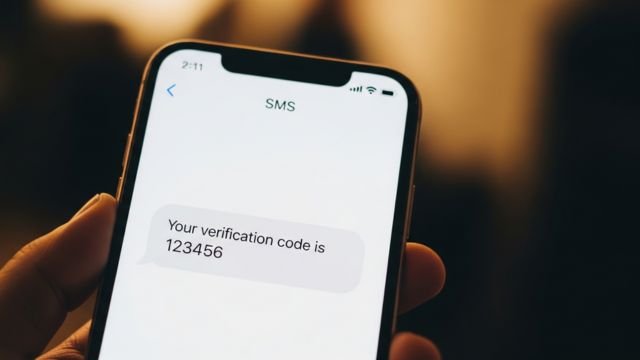
A verification number is a unique code generated during online transactions or account activities to authenticate the identity of the user. Typically sent via SMS, email, or in-app notifications, this number confirms that the person making the purchase or transaction is indeed the authorized account holder. The use of verification number in e-commerce addresses the growing need for secure digital transactions, offering an additional layer of protection beyond passwords or card information. This extra step can significantly reduce the risk of fraud, as unauthorized users would need both the account credentials and the verification number to complete a transaction.
One of the primary advantages of using a verification number in e-commerce is that it protects sensitive financial information. Credit and debit card details, bank account numbers, and personal identification data are valuable targets for cybercriminals. By requiring a verification number for payment approval, e-commerce platforms can ensure that even if someone obtains the card details, they cannot complete the purchase without the correct code. This mechanism builds consumer confidence, encouraging more users to shop online without fear of identity theft or financial loss.
Verification numbers are also a crucial component of Two-Factor Authentication (2FA) systems, widely adopted by e-commerce websites. While traditional authentication methods rely solely on usernames and passwords, 2FA adds another layer of security. The verification number serves as the second factor, often generated in real-time and valid only for a short period. This time-sensitive nature of verification numbers ensures that even if a hacker intercepts the code, it becomes useless after a brief duration. As e-commerce continues to evolve, integrating verification numbers into the transaction process strengthens the overall security framework and fosters trust between merchants and customers.
From the perspective of businesses, verification numbers help mitigate financial losses caused by fraudulent transactions. Chargebacks, where a customer disputes a transaction, can be costly for e-commerce companies. By implementing verification numbers, merchants can verify that purchases are legitimate before processing payments, reducing the likelihood of disputes and chargebacks. Additionally, verification numbers can serve as a record of transaction approval, providing legal protection and traceability in cases of suspected fraud. This accountability ensures that both merchants and consumers can confidently participate in the digital marketplace.
The implementation of verification numbers also enhances the customer experience. While some users may initially see this step as an inconvenience, the reassurance it provides outweighs the minor extra effort. Customers feel secure knowing that their transactions are protected and that their personal information is not easily compromised. E-commerce platforms that prioritize security through verification numbers often gain a competitive edge, as trust and reliability are critical factors in customer retention and brand loyalty.
In addition to payments, verification numbers are increasingly used in e-commerce for account management and sensitive actions such as password resets or profile updates. When users request changes to their account or initiate password recovery, a verification number is sent to confirm the authenticity of the request. This ensures that only the rightful account holder can make these changes, protecting users from potential account takeovers. In this way, verification numbers play a multifaceted role in enhancing both transactional and account security.
Technological advancements have also improved the efficiency and accessibility of verification numbers. Mobile apps, SMS delivery, and email notifications ensure that users receive their codes promptly, minimizing delays in transactions. Some platforms even provide the option for authentication apps that generate verification numbers offline, further enhancing security against potential interception. As e-commerce continues to grow globally, the widespread adoption of verification numbers contributes to creating a safer, more reliable digital shopping environment for all users.
Despite their benefits, users must exercise caution when using verification numbers. Phishing attacks and social engineering attempts can trick individuals into revealing their verification numbers to malicious actors. Therefore, it is essential for consumers to treat verification numbers as confidential and never share them with unknown sources. E-commerce platforms also play a role by educating users on safe practices and ensuring that verification processes are secure, intuitive, and resistant to common cyber threats.
In conclusion, verification numbers are an indispensable tool for ensuring safe payments in the e-commerce ecosystem. They protect sensitive financial information, reduce fraud and chargebacks, and build customer confidence. By integrating verification numbers into transactions, e-commerce platforms strengthen security, enhance the user experience, and create a trustworthy online shopping environment. As digital commerce continues to expand, the role of verification numbers will remain central to achieving secure, seamless, and reliable online transactions. Both consumers and merchants benefit from this simple yet powerful security mechanism, making verification numbers an essential element of modern e-commerce.
The adoption of verification numbers has transformed online shopping into a safer, more reliable experience. By leveraging this security feature, e-commerce platforms can maintain customer trust, prevent financial losses, and ensure that digital payments remain convenient without compromising safety. Every transaction validated with a verification number is a step toward a more secure online economy.